Automatic Knife Sharpness Inspection Process
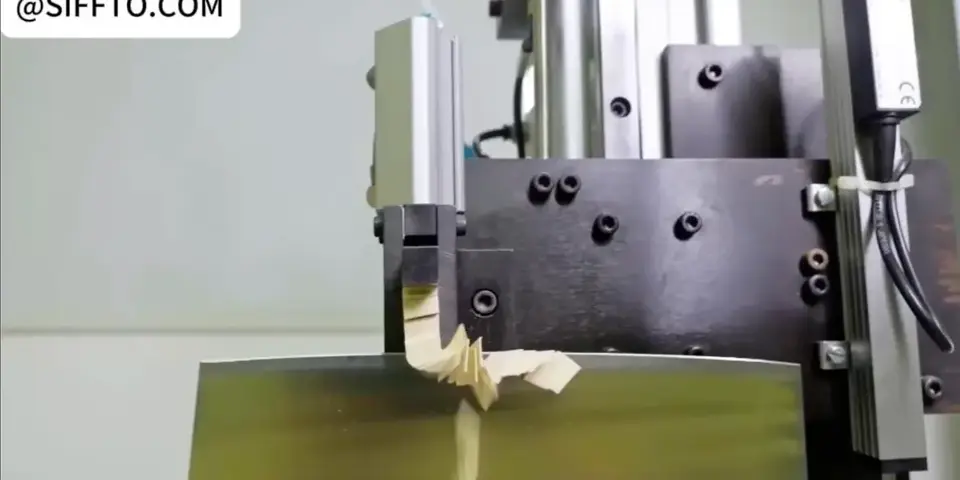
Traditional manual knife sharpness inspection relies on subjective judgment, often causing inconsistent batch cutting performance and frequent buyer quality complaints.We adopt fixed-spec multi-layer wood sheets as the standard cutting test carrier. All blades are tested under identical cutting resistance to eliminate variable interference and ensure impartial inspection results.
view full videos on instagram: https://www.instagram.com/reel/DYmglX4KMpf/?utm_source=ig_web_copy_link&igsh=MzRlODBiNWFlZA==
Knife Sharpness Inspection Process
Fixed fixture and constant pressure system: Each knife is firmly secured by a dedicated fixture to fix the edge grinding angle. The device delivers stable automatic mechanical pressure, eliminating inspection errors caused by uneven manual force and human operation differences.
Clear pass-or-fail criteria: A qualified blade must cut through all test layers smoothly in one single stroke with flat and tear-free cuts. Knives with paper dragging, incomplete cutting or uneven edge finish will be sent back for re-grinding and re-polishing.
Dual differentiated calibration standards: We adjust testing thresholds according to different usage scenarios. Professional chef knives follow strict standards to adapt to high-frequency and heavy-duty commercial kitchen use, while household knives balance outstanding cutting performance and anti-scratch safety for daily family cooking.
All knives undergo mandatory sharpness inspection before shipment, whether for small trial mixed orders or full-container bulk orders.